
Fuse handled 66% more tickets with the same team and cut resolution time by 63%.
Faster ticket resolution reduced the average from almost five days to fewer than two.
More tickets were handled while support headcount stayed the same.
The share of positive support ratings increased by 20 percentage points.
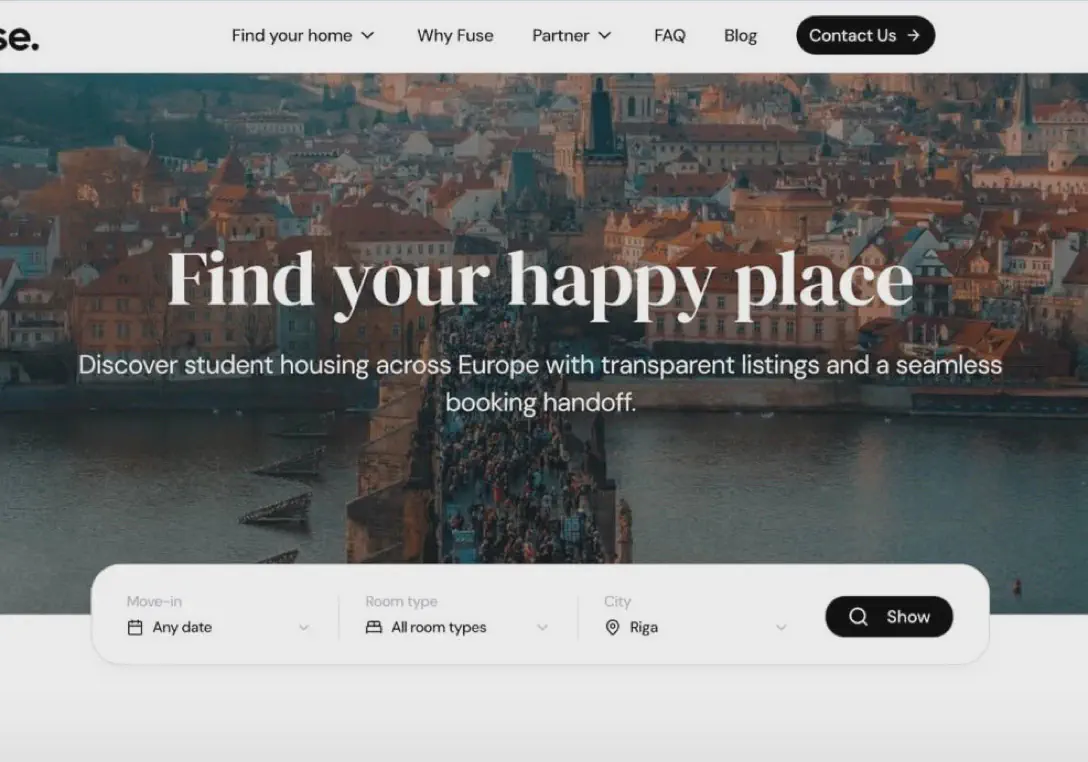
Fuse runs furnished student housing and co-living homes across Eastern and Central Europe. Its private rooms and studios share kitchens and common spaces, giving students and young professionals a home and a community in a new city.
Most tenants are international, and many are living abroad for the first time. When the hot water stops or something breaks, waiting for an answer is more than an inconvenience. It can make an unfamiliar place feel even less secure.
When Kamelia Kasakova joined Fuse as Head of Operations, support belonged to whoever had a spare minute. Messages arrived in Gmail and WhatsApp, but there was no dedicated team or system to track them. Some tenants waited weeks for a response to a serious problem.
Kasakova spent her first two weeks answering requests herself. The audit showed where conversations were being lost and how much time the team spent catching up. Slow support also put renewals at risk: a tenant left without hot water or an answer had little reason to stay.
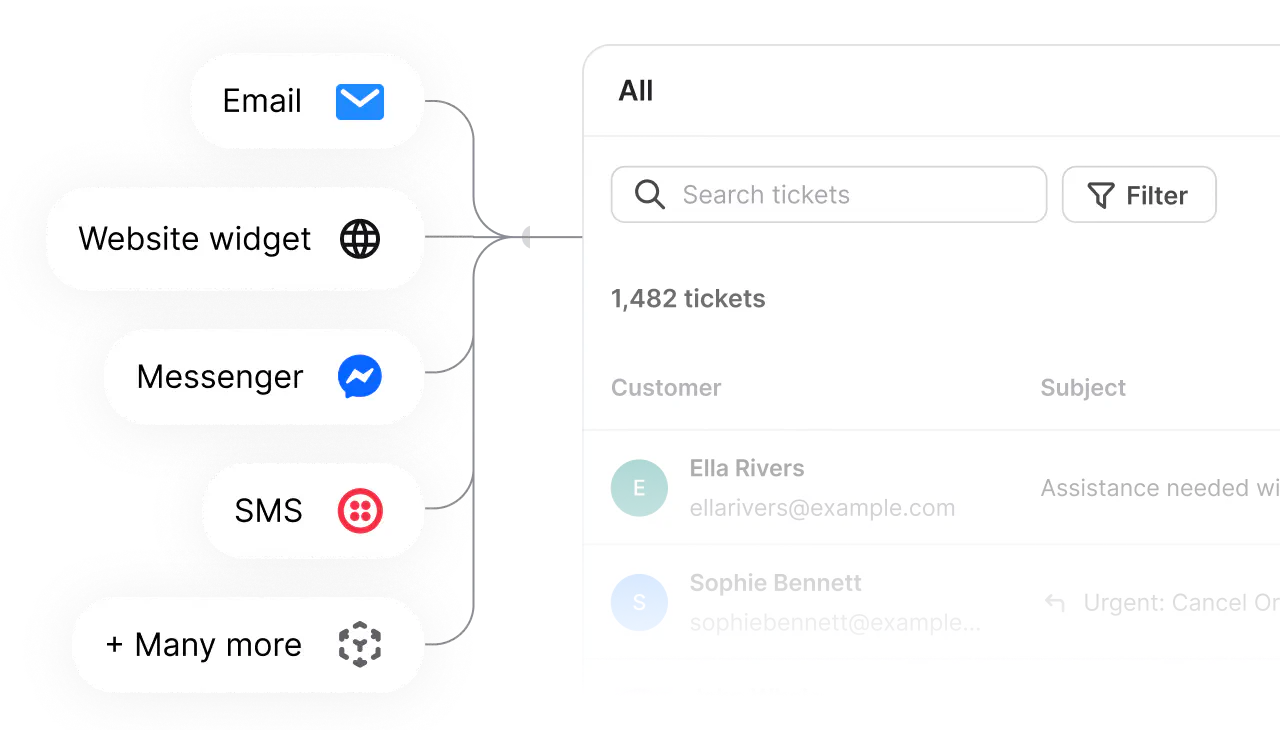
Fuse needed faster first responses and shorter resolution times, without hiring every time the company entered a new city. The system had to bring its channels together, be simple enough to launch without developers, and fit a growing company's budget.
Kasakova looked for a platform she could set up without code. Text kept coming up in her search: it brought conversations into one place, included AI Agent for the website, stayed within budget, and met her expectations for security and reliability.
Setup took a day, and most of it was finished in under an hour. Kasakova loaded the knowledge base herself, without waiting for a developer, and the team learned the rest as they worked.
Booking questions and operational issues could now follow separate routes without disappearing into separate tools. Maintenance requests still arrived by email, but the help desk turned each one into a ticket with an owner and a visible history.
Once the inbox stopped dictating the day, Kasakova could work on how the team responded. Fuse began building consistent processes that could adapt to the operational and legal requirements of each country.
It gave us the freedom to start thinking ahead, rather than just staying behind and putting out fires.
 Kamelia Kasakova, Head of Operations at Fuse
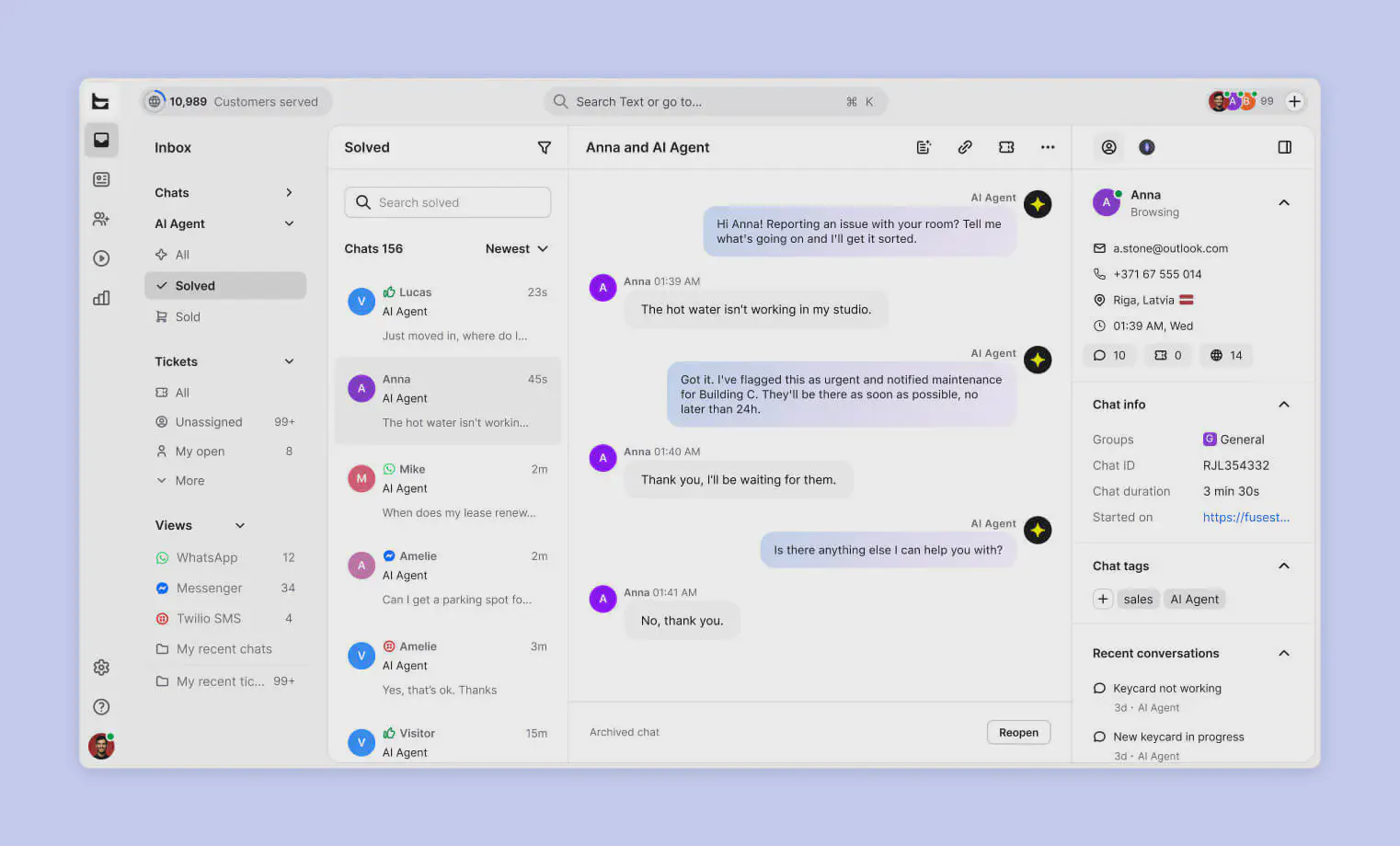
Fuse moved into new cities, and ticket volume rose by 66%. The support team stayed the same size. Even so, average resolution time fell from almost five days to fewer than two, a 63% improvement.
The worst delays changed most. A serious tenant issue that once went unanswered for weeks could now be resolved in about a day. Positive support ratings also climbed from under one-third to more than one-half, a gain of 20 percentage points.
In our line of business, that's huge.
Kamelia Kasakova, Head of Operations at Fuse
For Fuse, faster support protects more than an efficiency metric. Tenants get help when their home needs attention, while the same small team has room to prepare for the next property and the next city.
Want to grow like the companies above? This is where you start.
Free 14-day trial Simple setup